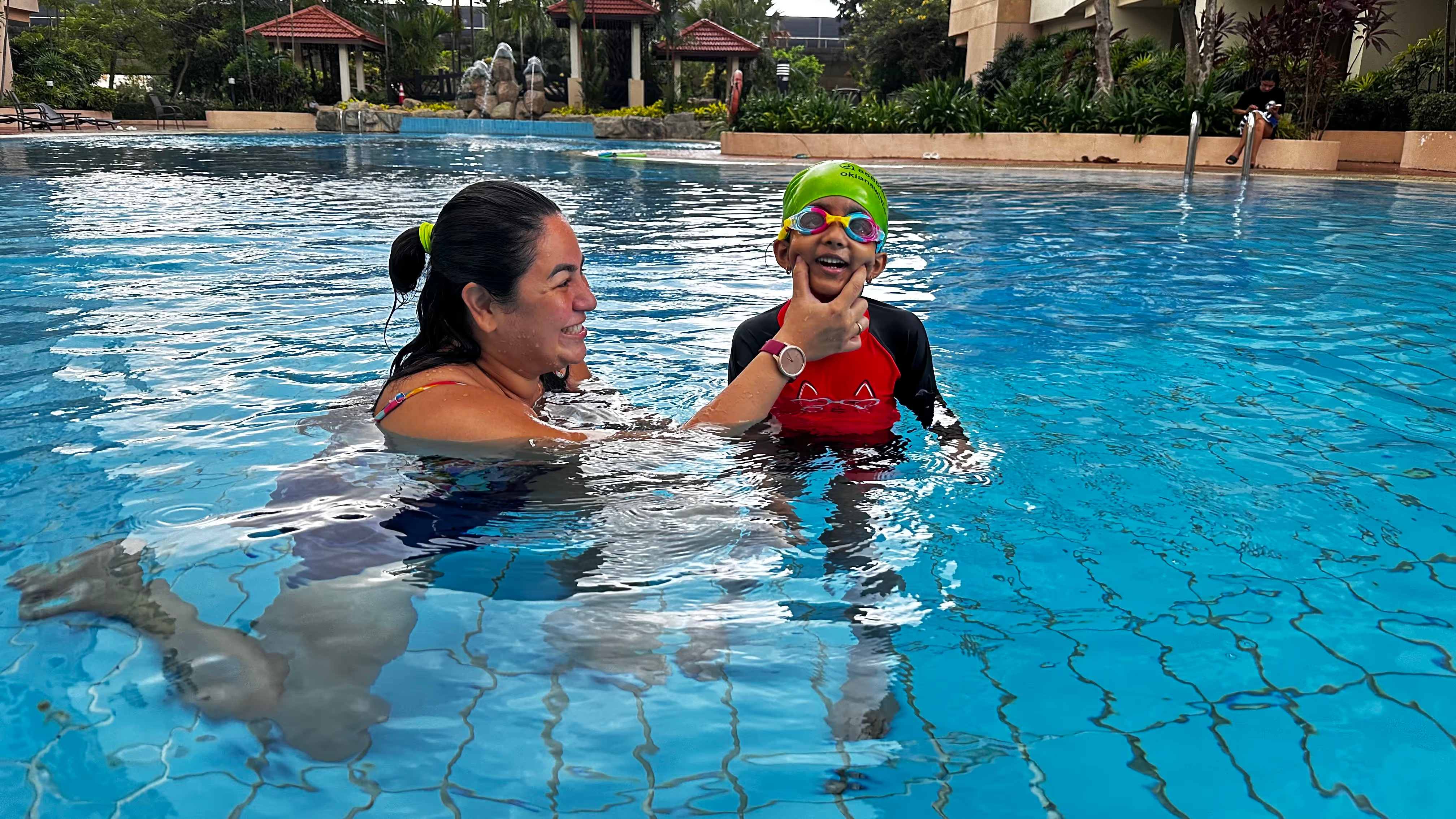


Swimming Fins: The Secret Tool That Transforms Your Feet – For Adults and Kids Alike
What you'll learn in this article:
- Why swimming fins are not just for pros – and how they actually improve your foot strength
- The surprising way fins affect your feet (hint: it's mostly good, if you do it right)
- How fins help children develop better kick technique faster
- Why adults with stiff ankles or weak feet benefit enormously from fin training
- What to look for when buying fins for yourself or your child – including budget options
- How Swim Class Singapore uses fins safely in lessons for all ages
If you've ever watched competitive swimmers training, you've probably noticed those long, rubbery blades strapped to their feet. Swimming fins. They look dramatic – almost like flippers on a diver. And most beginners assume fins are just for speed demons or ocean snorkeling.
But here's what you might not know: swimming fins are one of the most valuable teaching tools in any swim school. Not because they make you faster (though they do). But because they train your feet – your actual foot muscles, tendons, and ankle flexibility – in ways that nothing else can.
At Swim Class Singapore (swimclass.sg) , we use fins regularly with both children and adults. Not to create lazy swimmers who rely on fins forever. But to build the foot strength, ankle mobility, and kick mechanics that make swimming feel effortless – even when the fins come off.
And yes, we're very careful about how fins affect your feet. Because when used correctly, fins are mostly beneficial. When used incorrectly? They can cause cramping, strain, or even blisters. So let's dive into the real story – what fins do to your feet, why that's a good thing, and how to use them safely for any age.
First: What Are Swimming Fins, Exactly?
Swimming fins (also called swim fins or training fins) are rubber or plastic blades that fit over your feet. They extend the surface area of your foot, so each kick pushes more water. That means more propulsion with the same effort.
But the real magic isn't speed. It's feedback. When you wear fins, you suddenly feel exactly what your feet are doing in the water. Are your ankles floppy? You'll feel the fin fluttering uselessly. Are your toes pointed? The fin will slice cleanly. Are your kicks too wide? The fin will catch water and tell you immediately.
That feedback is why coaches love fins. They turn invisible foot movements into something you can feel and correct.
How Do Fins Affect Your Feet? (The Science, Simply Put)
Let's talk about what happens inside your feet when you swim with fins.
Your foot has 26 bones, 33 joints, and over 100 muscles, tendons, and ligaments. Most of them barely get used in daily life. Walking on flat ground? Your feet just roll forward. Sitting at a desk? Your feet do nothing.
But swimming with fins changes that. Each kick requires your foot to:
- Point your toes (plantar flexion)
- Keep your ankle relatively straight
- Engage the small intrinsic muscles in your arch
- Stabilize your foot against the resistance of the fin blade
Over time, this strengthens your foot muscles, improves ankle range of motion, and even helps with arch support. For people with flat feet or weak ankles, fin training can be genuinely therapeutic.
However, there's a catch. Fins also put gentle but persistent pressure on the top of your foot (where the foot pocket grips) and your Achilles tendon. That's why proper fit and gradual use matter. More on that later.
The Positive Impacts of Fins on Feet (For Adults)
Let's start with adults. If you're a grown-up learning to swim – or even an experienced swimmer who wants to improve – fins offer several foot-specific benefits.
1. Increased Ankle Flexibility
Most adults have surprisingly stiff ankles. Years of wearing shoes, sitting at desks, and walking on hard surfaces limit your ankle's range of motion. In swimming, flexible ankles are a superpower. They let you point your toes and catch more water with every kick.
Fins gently stretch your ankle into a more extended position with each kick. Over weeks and months, that stretch becomes permanent range of motion. Adults who use fins consistently often notice they can point their toes farther – even outside the pool.
2. Strengthened Foot Muscles (Especially the Arch)
Weak foot muscles contribute to flat feet, plantar fasciitis, and general foot fatigue. Swimming fins provide resistance training for your feet – like a tiny gym for every intrinsic muscle in your sole.
The result? A stronger, more supportive arch. Many adult swimmers report less foot pain after starting fin training, especially those who stand all day for work.
3. Improved Kick Mechanics Without Overthinking
Here's a secret: most adults kick incorrectly. They bend their knees too much, like they're pedaling a bicycle. Or they kick from their hips with floppy, dead feet. Fins force you into a better kick because a bad kick with fins feels terrible (and goes nowhere).
That immediate feedback rewires your muscle memory. After a few fin sessions, your barefoot kick often looks dramatically better – straighter legs, pointed toes, smaller and faster movements.
4. Reduced Strain on Hips and Lower Back
When your feet and ankles are weak, your hips and lower back overcompensate. That's why many adult swimmers complain of hip flexor pain or lower back tightness after kicking drills. Fins transfer more work to your feet and lower legs, taking pressure off your larger joints.
For adults with chronic hip or back issues, fins can be a game-changer – but always check with a coach or physiotherapist first.
The Positive Impacts of Fins on Feet (For Kids)
Children's feet are still developing. Their bones are softer, their tendons are more elastic, and their movement patterns are not yet set in stone. This makes fins both more effective and more delicate for kids.
1. Faster Development of the Flutter Kick (and Better Strokes Overall)
Young children often kick with straight, stiff legs – or worse, they "bicycle kick" with knees bending 90 degrees. Fins naturally encourage a straighter leg and a smaller, faster kick because the fin blade resists wide, slow movements.
But the benefits don't stop at freestyle. Fins improve multiple strokes:
- Freestyle & Backstroke – The flutter kick becomes more efficient, with pointed toes and a steady rhythm.
- Butterfly – The dolphin kick (both legs moving together) gains power and fluidity. Fins help children feel the "wave" motion from chest to toes.
- Breaststroke – While breaststroke uses a whip kick, fins can still help by strengthening the ankles and teaching a cleaner recovery (heels to seat, then snap).
Within a few lessons, kids who struggled with kicking suddenly glide across the pool – whether they're practicing front crawl, backstroke, or butterfly. And when the fins come off? The good habits stick across all strokes.
2. Building Foot Awareness (Proprioception)
Children don't naturally think about their feet in water. Fins change that. The extra surface area gives them tactile feedback – they can feel the water pressing against the fin blade. That sensation teaches them to point their toes and engage their feet actively.
This foot awareness transfers to land activities too. Kids who use fins often show better balance and coordination in sports like soccer, gymnastics, or even just running.
3. Strengthening Without Overloading
Children's tendons and ligaments are still growing. Heavy resistance training is not recommended. But fins provide gentle, progressive resistance that's perfect for developing feet. The water supports their body weight, so there's no impact stress – only muscle and tendon conditioning.
4. Boosting Confidence (Which Reduces Fear)
When kids feel fast and powerful in the water, their fear melts away. Fins give even timid swimmers a burst of propulsion. Suddenly they can keep up with peers, cross the pool, and feel like "real swimmers." That confidence often becomes the turning point in their swimming journey.
Are There Any Negative Effects on Feet? (Yes – Here's How to Avoid Them)
Let's be honest. Fins are not risk-free. But almost every problem comes from poor fit, overuse, or bad technique. Here's what to watch for:
Blisters and chafing – Usually from fins that are too loose (rubbing) or too tight (pressure points). Solution: buy properly fitted fins. Neoprene fin socks can also help.
Cramping – Especially in the arch or toes. This happens when you're not used to using those muscles. Solution: start with short fin sessions (5-10 minutes) and gradually increase.
Achilles tendon strain – Rare but possible if fins are very long (like freediving fins) or if you kick with excessive force. Solution: use standard training fins (short to medium blade) and avoid "flailing" kicks.
Over-reliance – Some swimmers become dependent on fins and feel lost without them. Solution: use fins as a training tool, not a crutch. Mix fin drills with barefoot kicking.
At Swim Class Singapore, our coaches monitor every swimmer using fins – especially children – to ensure correct fit, safe duration, and proper technique. We never hand a child fins and say "go." We teach them how to use fins as a tool.
How to Choose the Right Fins for You or Your Child
Not all fins are created equal. Here's what we recommend at swimclass.sg:
For children (ages 4-12):
- Short-bladed training fins (not long snorkeling fins)
- Soft, flexible rubber (not stiff plastic)
- Open heel with adjustable strap (grows with their feet)
- Size: snug but not painful – about one finger of space behind the heel
For adults (beginners to intermediate):
- Medium-bladed training fins (30-40cm blade length)
- Moderate stiffness – enough resistance to feel, not so much that it strains
- Closed heel (like a shoe) or open heel – personal preference
- Size: tight enough that the fin doesn't slip, but loose enough to wiggle toes slightly
What to avoid:
- Long freediving fins (too much leverage for small feet and ankles)
- Rock-hard plastic (zero comfort, high blister risk)
- Fins that are obviously too big (you'll lose power and get blisters)
Where to Buy: Options for Every Budget
You don't need to spend a fortune to get good fins. Here's our honest advice on where to shop in Singapore:
🥇 Best Overall (Premium Choice) – DMC Fins
If you want the best performance fins on the market, look no further than DMC Fins. DMC is widely considered the gold standard for swim training fins, used by competitive swimmers and triathletes worldwide. Their patented silicone material provides exceptional comfort, won't chafe or blister, and dramatically reduces foot and ankle fatigue. The DMC Elite 2 model features a universal foot cavity, V-rail channel for efficient water displacement, and an underneath centred drain chute – all designed to give you maximum power with minimum strain.
⚠️ Crucial Buying Advice for DMC Fins:
Buy true to size! DMC fins use a universal foot cavity design, meaning they don't correlate directly to standard shoe sizes. Always check the official sizing guide on their website before purchasing. If you're unsure, DMC recommends ordering two sizes and returning the pair that doesn't fit. Getting the right size is essential for both comfort and performance.
🥈 Best Budget Option – Decathlon
Let's be honest – premium fins like DMC can be expensive. If you're a beginner or don't want to spend too much, Decathlon Singapore is an excellent alternative. Their house-brand fins are affordable, durable, and perfectly adequate for learning proper kick technique. For a fraction of the price, you'll get fins that do the job without breaking the bank. It's a fantastic option for kids (who will outgrow their fins quickly) or adults who just want to try fin training without a big commitment.
🥉 Best Deal (Second-Hand Premium) – Carousell
Want DMC quality without the DMC price? Check Carousell Singapore for second-hand DMC Elite 2 fins. Because DMC fins are so durable (they're made from high-quality silicone that lasts for years), buying used is a smart way to get premium gear at a steep discount. Many swimmers upgrade to newer models and sell their perfectly good Elite 2 fins for a fraction of retail price. Just be sure to inspect photos carefully and confirm sizing before purchasing.
Quick Summary: Swimming Fins & Your Feet
Why fins matter:
- Fins strengthen foot muscles and improve ankle flexibility
- They teach proper kick mechanics through instant feedback
- Used safely, they benefit both adults and children
Positive impacts on feet:
- Build arch strength (helps with flat feet)
- Increase ankle range of motion
- Reduce strain on hips and lower back
- Improve foot awareness (proprioception)
For kids specifically:
- Develop flutter kick faster
- Boost confidence in the water
- Gentle, low-impact foot conditioning
Risks and how to avoid them:
- Blisters -> buy correct size, use fin socks
- Cramping -> start with short sessions (5-10 minutes)
- Over-reliance -> mix fin drills with barefoot kicking
Where to buy (Singapore):
- DMC Fins (premium) – buy true to size via dmcfins.com.au
- Decathlon (budget) – great for beginners
- Carousell (second-hand) – look for DMC Elite 2
- or https://shopee.sg
Bottom line:
- Fins are a training tool, not a crutch
- With proper fit and coaching, they're foot-friendly for all ages
How Swim Class Singapore Uses Fins Safely in Lessons
We follow a simple protocol:
- Fins only after basic floating and breathing are comfortable – Fins won't fix fear. We address the mind first.
- Short sessions: 5-15 minutes per lesson – Especially for young children or beginners.
- Always with supervision – We watch for signs of foot cramping, discomfort, or poor form.
- Mix fin and no-fin drills – So swimmers learn to transfer the good habits.
- No fins for butterfly kick in young kids – Too much strain on lower back.
When used this way, fins are one of the most effective teaching tools we have. They accelerate learning, reduce frustration, and – yes – make swimming more fun.
A Note for Parents: Should Your Child Use Fins?
Many parents worry that fins are "cheating" or that their child will become dependent. That's a fair concern. But here's our experience at Swim Class Singapore:
Children who use fins appropriately actually learn faster and retain better technique than those who don't. Why? Because fins give them a taste of what "good" feels like. Once they know that feeling, they can recreate it without fins.
We've seen 5-year-olds go from terrified to gliding in four weeks – with fins used only 10 minutes per lesson. And no, they didn't become fin-dependent. They became confident.
So if your child is struggling with kick technique, or simply not enjoying swimming because they feel slow and clumsy, fins might be the breakthrough tool you've been looking for.
The Bottom Line: Fins Are Foot-Friendly When Used Wisely
Your feet are your foundation in swimming. They anchor your kick, stabilize your body position, and contribute more to forward motion than most people realize. Swimming fins, used correctly, strengthen your feet, improve your ankle flexibility, and teach you better mechanics – for both adults and kids.
Are there risks? Yes – just like any training tool. But with proper fit, gradual progression, and coaching supervision, those risks are tiny compared to the benefits.
At Swim Class Singapore, we've seen hundreds of swimmers transform their kick – and their confidence – with the smart use of fins. Whether you're an adult with stiff ankles or a parent hoping to help your child stop "bicycle kicking," fins might be the missing piece.
Frequently Asked Questions
Do swimming fins actually strengthen your feet?
Yes — fins provide resistance training for foot muscles and improve ankle flexibility, particularly benefiting the arch and small intrinsic foot muscles that get little use in daily life.
What age can kids start using swimming fins?
Children as young as 4 can use properly sized, short-bladed training fins, gradually introduced with short sessions and always under supervision.
Can swimming fins cause injury?
Blisters, cramping, and Achilles strain are possible but almost always come from poor fit, overuse, or overly long fins — correct sizing, short initial sessions, and standard training fins largely prevent these issues.
Will using fins make a swimmer dependent on them?
Not if used correctly — mixing fin drills with regular barefoot kicking helps swimmers transfer the improved technique fins teach without becoming reliant on the extra propulsion.
What type of fins are best for beginners?
Short to medium-bladed training fins, not long freediving or snorkeling fins, which apply too much leverage and strain for beginners' ankles and feet.
✅ Ready to Improve Your Kick with Fins?
Book a lesson at Swim Class Singapore – mention this article and get a free fin fit check.
👉 Book Now at swimclass.sg
For adults and kids. Safe, coached, effective.
Ready to find a suitable coach? Check swimming lesson availability for your preferred area and schedule.
Why Parents Love Swimming Lessons at Swim Class Singapore
Parents across Singapore trust Swim Class because we focus on both safety and fun.


Our lessons emphasize child-friendly teaching methods, small group attention, clear progression and skill development, and positive, encouraging instructors who help every child build confidence in the water.
Most importantly, we help kids build confidence in the water while enjoying every lesson.
Frequently Asked Questions About Kids Swimming Lessons
Everything parents usually ask before their little swimmer jumps in — from safety and schedules to choosing the right class.
Absolutely. Our baby swimming classes in Singapore are designed with safety as the top priority. Lessons are parent-assisted and led by certified swim instructors who specialize in helping babies and toddlers feel comfortable, confident, and happy in the water. Every session is gentle, structured, and designed to make those first splashes a positive experience.
It’s easier than you might think. Our kids swimming lessons in Singapore are organized by age and skill level, from baby swimming to beginner and intermediate programs. Simply share your child’s age and swimming experience, and we’ll recommend the class that helps them learn, progress, and enjoy the water at their own pace.
Yes, we offer swimming lessons at both condo pools and public swimming complexes across Singapore. This gives families the flexibility to choose the location that is most convenient for them.Lessons at public swimming pools are open to all students who want to join our swim classes.Lessons conducted at condo pools are available for residents of that condominium only, in accordance with condo management rules. If you live in a condo with a pool, we can arrange lessons right at your residence for added convenience.Just let us know your preferred location, and we’ll help match you with the best swimming lesson option in Singapore for your little swimmer.
Both options are available. We run swimming lessons at condo pools and public swimming complexes across Singapore, so you can choose the location that’s most convenient for your family. Once you tell us your preferred area, we’ll match you with a coach nearby.
Children can begin baby swimming lessons from around 6 months old. Starting early helps babies develop water confidence, basic safety awareness, and comfort in the pool — all while having fun and bonding with their parents.
Yes, we do. Our instructors provide SwimSafer preparation lessons in Singapore, helping children develop the swimming skills and water safety knowledge needed for the national SwimSafer programme. Lessons focus on both technique and confidence so kids feel ready for the next stage.
Still Curious? Let’s Chat!
Got a question about baby swimming, kids swimming lessons, or SwimSafer prep in Singapore? Our friendly team is happy to help you find the perfect class for your little swimmer.
Book your child's first lesson
Start your child’s swimming journey in Singapore with certified coaches who specialize in baby and kids swimming lessons. We’ll help your little swimmer build confidence, safety skills, and strong swimming technique from the very first splash.